The Erosion of the Wise Elder: Reclaiming Autonomy in an Age of Managed Dependency
Posted: Thu Jan 22, 2026 10:24 am
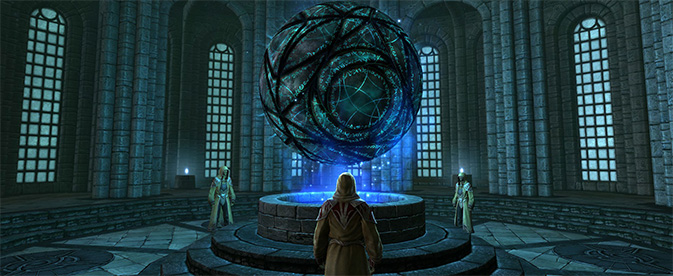
Title: The Erosion of the Wise Elder: Reclaiming Autonomy in an Age of Managed Dependency
Subtitle: From Tribal Wisdom to Systematic Subjugation: A Call for Intellectual and Functional Sovereignty
As I reflect on the profound shifts in our society, I am struck by how far we have strayed from the natural human structures that once fostered wisdom and self-reliance. In our ancestral past, communities thrived through the guidance of experienced individuals who accumulated knowledge over lifetimes, passing it down to ensure collective survival. Yet today, I see a deliberate erosion of this vital role, replaced by systems that promote dependency and stifle independent thought. This essay explores the historical roots of this transformation, from the revered elders in ancient tribes to the modern mechanisms that undermine autonomy, and urges a return to intellectual sovereignty as essential for our future.
In the annals of human history, the figure of the wise elder stands as a cornerstone of societal stability and progress. Consider the indigenous cultures of North America, where elders were not merely aged individuals but revered repositories of cultural, philosophical, and practical knowledge.
In Native American tribes, such as those among the Piikani or Salish peoples, elders earned their status through a lifetime of wisdom, harmony, and balanced actions, serving as keepers of traditions and advisors on matters ranging from spiritual guidance to community resilience.
They transmitted knowledge through oral stories, ceremonies, and role modeling, ensuring that younger generations understood the interconnectedness of life, nature, and community.
This respect for elders was not unique to North America; in ancient Greece, the Seven Sages—figures like Solon and Thales—were celebrated for their profound insights into governance, ethics, and philosophy, influencing the very foundations of Western thought.
Similarly, in ancient Rome, elders who lived virtuously were valued for their experience, often consulted in matters of state and family, as Cicero noted that wisdom was the greatest gift age could bestow.
These historical examples illustrate a universal truth: societies flourished when they honored the accumulated wisdom of their elders, allowing them to guide the young through life's complexities.
Yet, as civilizations evolved, particularly with the advent of industrialization, this dynamic began to fracture. The Industrial Revolution, spanning the late 18th and early 19th centuries, radically altered family structures and diminished the traditional roles of elders.
In pre-industrial societies, extended families—often spanning multiple generations—functioned as autonomous units, with elders at the helm, providing economic support, childcare, and decision-making authority.
Industrialization disrupted this by drawing people from rural agrarian lifestyles to urban factories, fostering the rise of nuclear families consisting primarily of parents and children.
Elders, once integral to household economies, found their influence waning as younger generations pursued wage labor, social mobility, and independence from traditional kinship ties.
This shift not only isolated elders but also eroded the intergenerational transfer of practical skills and wisdom, paving the way for greater reliance on external institutions.
The Laboratory of Uselessness
I observe with dismay how our contemporary world has engineered a crisis of incompetence that spans generations, almost as if it were meticulously cultivated in a lab. In the West, many grandparents today lack the fundamental skills for self-sufficiency—unable to procure their own food, water, or shelter without external aid. They embody what I term "grandparent children," trapped in a perpetual state of dependency on governmental systems.
This phenomenon is far from a natural consequence of aging; it stems from deliberate societal designs that prioritize control over empowerment. Historically, self-reliance was the norm in many societies. For instance, in colonial America, pioneers and settlers exemplified autonomy, forging lives through individual effort and community cooperation, as articulated in Ralph Waldo Emerson's 1841 essay "Self-Reliance," which championed trusting one's instincts over societal conformity.
Indigenous cultures, too, emphasized self-sufficiency; Native American elders taught survival skills intertwined with respect for nature, ensuring tribal resilience.
But industrialization introduced a paradigm where individuals became cogs in a larger machine, dependent on wages and markets rather than personal ingenuity.
The rationale behind this engineered uselessness is insidious: an autonomous individual poses a threat to centralized power. A person capable of solving their own problems requires little from the state, undermining the justification for expansive taxation and regulation. By fostering dependency, authorities create a population that views government as indispensable, perpetuating a cycle of control. This mirrors the Prussian education system's origins in the early 19th century, designed post-Napoleonic defeats to produce obedient soldiers and citizens through compulsory schooling that emphasized compliance over creativity.
Adopted in the United States by reformers like Horace Mann in the 1830s, this model shifted education from fostering independence to molding compliant workers.
The Subjugation of the Youth
This erosion of autonomy begins early, embedded in our educational institutions that reward conformity rather than innovation. Children are conditioned to be obedient, memorizing sanctioned facts without questioning their validity. Those who exhibit creativity or critical thinking often face repercussions, stifling the human spirit from a young age.
Far from true education, this is a system of subjugation, producing individuals devoid of personal drive—easy to manage and manipulate. Historically, education served different purposes. In ancient Greece, philosophers like Plato advocated for holistic development, where youth learned through dialogue and inquiry under wise mentors.
Contrast this with the Prussian model's influence on modern schooling, which prioritized discipline and hierarchy to create a malleable workforce.
In the U.S., this led to a "dumbing down" critiqued in reports like "A Nation at Risk" in 1983, which highlighted declining standards and mediocrity.
Progressive education in the 20th century further diluted academics, replacing rigorous subjects like Latin with vocational training, sidelining intellectual growth.
A century ago, a five-year-old in a rural village contributed meaningfully to survival, displaying resilience far surpassing many modern adults. Industrialization's division of labor reinforced gender roles and isolated families, reducing opportunities for youth to learn practical autonomy from elders.
The Mechanics of Wisdom
To reclaim what we've lost, I must delve into how wisdom is forged. It isn't mere aging but the accrual of observed solutions across life's stages—from useful child to parent—enabling pattern recognition and creative problem-solving.
In tribal societies, this process was organic; Native American elders, as "living libraries," guided communities through crises by drawing on historical precedents.
Ancient civilizations echoed this: Roman elders, respected for virtuous lives, offered counsel based on experience.
Yet, modern systems disrupt this by isolating generations and promoting media consumption that dulls critical faculties.
Those in power benefit from a populace unable to question narratives, trapped in managed failure.
Breaking the Cycle of Regurgitation
Our society's dire state stems from rendering potential guides "blind, deaf, and mute" through generations of diminished education and mind-numbing influences. Admitting this compromise is painful but essential for change.
Recovery demands intellectual labor: studying true history, like the autonomous communities of early America or the philosophical inquiries of ancient Greece; honing critical thinking to dismantle propaganda; and learning from past successes in self-reliance.
By filling our minds with useful knowledge and applying it creatively, we can restore value to our communities.
Historical movements, such as Emerson's transcendentalism, emphasized self-trust and independence, countering the conformity bred by industrialization.
In contemporary terms, critiques of education's "dumbing down" urge a return to rigorous, empowering learning.
In concluding, I affirm that restoring the wise elder is crucial for survival. We must distinguish genuine guides from those mired in ignorance, fostering a culture of honest self-assessment and improvement. Only through reclaiming autonomy can we revive human wisdom, drawing from historical precedents like the respected elders of ancient tribes and civilizations to build a sovereign future.